How to Get Rare Attacks in RNG RollAttacks
Luck before spam rolls, keep rules for mid kits, and smart rare hunts.
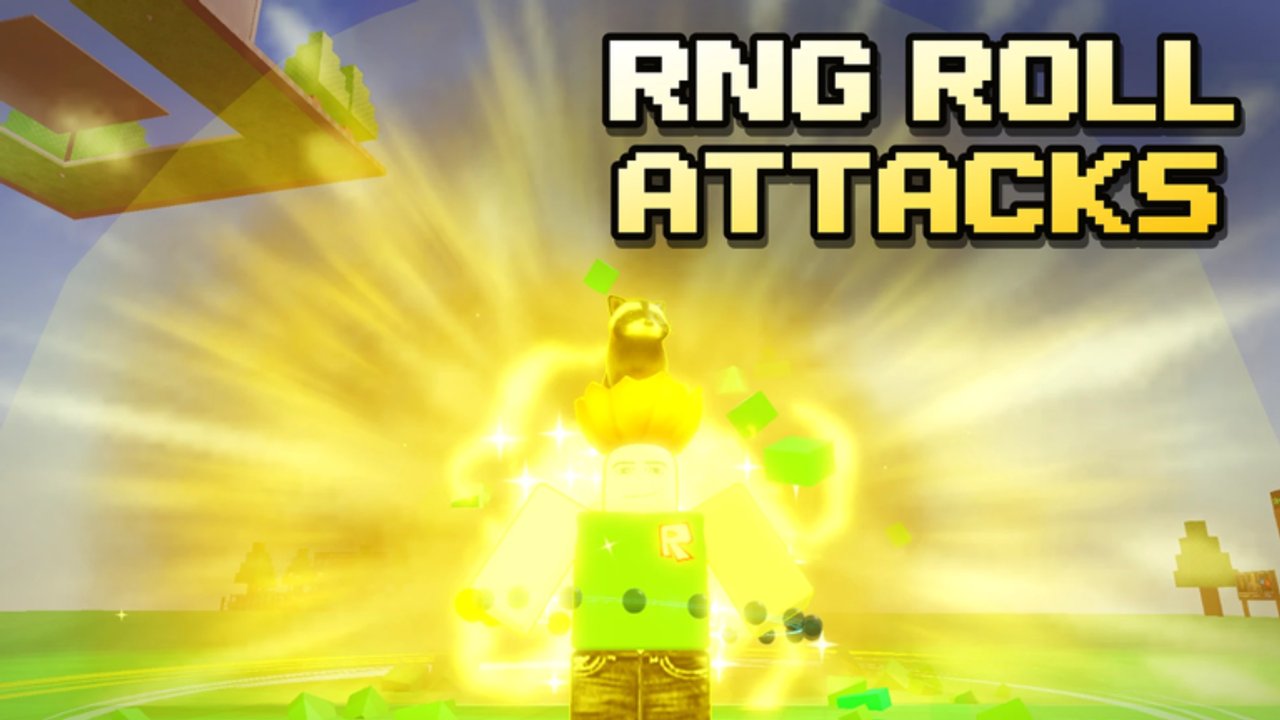
Rare attacks are the highlight reel of RNG RollAttacks—the flashy control tools, high-damage finishers, and spectacle kits (including time-stop style powers) that make a 23-player server stop and watch. Getting them is not pure superstition. You raise luck, farm the money that buys luck, learn which mid rolls to keep, and only then run intentional roll sessions. This guide is the English rare-hunt walkthrough for Giggle Group Media’s Action / Battlegrounds experience (place 119338513416973, free-to-play since 2026-09-29).
Read it beside How to Get Luck, How to Farm Money, the Attack Index, Attack Tiers, and Combat Basics. We will not invent 1-in-X tables, pity timers, or fake “guaranteed rare” codes. When the live client shows different rarity labels after an (UPD NOW) push, trust the game and Updates.
Rare does not mean “mash roll harder”
New players burn an hour on free rolls, see common punches, and blame the pool of 40+ attacks. The pool is wide on purpose. Without luck investment, the table keeps returning low and low-mid results. Spam rolling without a plan also deletes usable mid kits that could have funded the next luck purchase through wins and quests.
A rare hunt has three phases:
- Prepare — money in wallet, luck upgraded, quest board not blocking you.
- Hunt — short, intentional roll bursts with a clear keep/stop rule.
- Convert — actually fight with the rare (or strong high-mid) result so the account grows.
Skipping straight to phase two is how accounts stay broke and still rare-less.
Step 1: raise luck before you spam
Luck is the long-term lever that shifts roll quality upward. Practical prep:
- Earn currency through focused PvP and quests (How to Farm Money).
- Buy permanent luck upgrades first (How to Get Luck).
- Save temporary luck buffs for the hunt window, not for AFK standing.
- Redeem only verified entries on Codes—as of mid-November 2026 none are confirmed; do not invent strings.
If your wallet can afford the next luck tier, buy it before a rare session. Rolling “one more time” while the upgrade sits unpurchased is the most common self-own in this genre.
Step 2: know what you are hunting
“Rare” is a spectrum, not a single button.
Flex rares
These are the social winners: loud animations, rare names, time-stop style crowd control, and kits that make the lobby type in chat. Flex rares are great for content and for pressuring unprepared players. They still lose if you activate them inside three overlapping combos—Combat Basics still applies.
Usable high-mids and meta kits
Some rolls are not the rarest label in the pool but win more duels on a full server. For badges (kills 100 → 25,000, quests 5 / 25 / 50 / 100, eventually Storm Breaker), a usable strong kit often beats a pretty brick you cannot confirm with.
Use Attack Tiers and the Attack Index to separate “looks expensive” from “prints eliminations.” During early accounts, hunting usable power is smarter than hunting only the flashiest name.
Event and featured windows
When Giggle Group Media pushes (UPD NOW) branding, roll tables, shop buffs, or featured objectives can shift for a few days. Recheck menus after rejoining. Do not download “rare attack scripts”—read Scripts for why that path risks the account.
Step 3: when to keep mid rolls
Mid rolls are the bridge between broke and rare-ready.
Keep a mid when
- It wins neutral against average players in your lobby.
- It finishes the kill or roll-adjacent quests you already accepted.
- You are still saving for the next luck purchase and need stable income.
- You have not learned its confirms yet—one labbed mid beats ten unread rares.
Re-roll a mid when
- You already bought the luck step you needed and scheduled a hunt block.
- The kit has no tools for the current lobby (pure stubby melee into a projectile pile).
- A quest explicitly needs roll count or a different outcome and is blocking the board.
- You are in a safe outer-ring pocket, not inside someone’s combo.
Deleting every mid the instant a friend flexes is how rare hunts stay permanently underfunded.
Step 4: run an intentional rare session
Pre-hunt checklist
- Session Checklist — graphics, flashing-images comfort, codes skim.
- Quest turn-ins complete; luck upgrade purchased if affordable.
- Goal written in one line: “Find a kit I can fight with for 15 minutes” or “Hunt a high-flex control tool,” not “Hit the rarest name on earth tonight.”
- Tier context open: Attack Tiers / Tier List.
Hunt block (10–20 minutes)
- Roll in short bursts from safe space.
- On a strong mid/high, stop and play—learning multiplies the value of luck.
- On a brick, relocate and roll again; do not stand still in the open mashing.
- Cap the burst. If the window goes dry, return to money farming instead of tilting for another hour.
After the hit
- Take real fights. A rare you never confirm does not raise kill badges.
- Screenshot the flex if you want—then go finish quests while the kit is hot.
- Bank new income into the next luck step so the following hunt starts stronger.
Time-stop and spectacle tools
High-control rares feel unfair until you waste them. Practice rules:
- Learn duration and whiff recovery in a low-stakes duel before a stacked teamfight.
- Use the tool to secure a confirm or a save, not to announce yourself in neutral.
- After the spectacle window, reset to your preferred spacing ring; greed chases into third parties end montages early.
- Remember the flashing-images warning—spectacle kits often spike VFX intensity.
Exact frame data is not published here; deliberate reps beat wiki fanfiction.
Rare attacks versus progression goals
| Goal | Rare-hunt advice |
|---|---|
| Early luck curve | Prefer usable high-mids; flex later |
| Quest board speed | Keep kits that finish active objectives |
| Kill badges | Prioritize confirm-heavy kits over pure spectacle |
| Storm Breaker | Enter Wither Storm with damage + disengage, not vanity only |
| Lobby flex | Schedule a dedicated hunt after luck is upgraded |
Owner Killer and Admin Killer are rare flex badges of a different kind—do not confuse them with attack rarity, and do not buy “guaranteed” methods from strangers.
Mistakes that keep rares away
- Spam rolling with unspent luck money.
- Re-rolling every serviceable mid during farm blocks.
- Chasing only the flashiest name while losing every duel.
- Ignoring How to Farm Money until the wallet is empty mid-hunt.
- Believing unverified pity claims or phishing “rare codes.”
- Mid-fight panic rolls inside melee range.
Linked practice path
- Getting Started — understand the loop.
- How to Farm Money — fund the shop.
- How to Get Luck — buy the lever.
- This page — hunt with rules.
- Combat Basics — convert the roll into kills.
- Attack Index + Attack Tiers — name and rank what you found.
Rare attacks reward preparation more than superstition. Raise luck on purpose, keep the mids that pay for that luck, and hunt in short windows with a stop condition. When the animation finally hits, you will already know how to win with it—not just how to screenshot it. Return to the Guides Hub whenever the next specialty walkthrough ships.
Related pages
Frequently Asked Questions
Quick answers to the most common questions.
How do I get rare attacks in RNG RollAttacks?
Farm money, buy luck upgrades first, then run short intentional roll sessions with clear keep rules. Luck improves odds across the 40+ pool; it does not guarantee a specific attack.
Should I re-roll mid-tier attacks while hunting rares?
Keep strong mids while you still need income or quest progress. Re-roll them only during a scheduled hunt after luck is upgraded, and only from safe spacing.
Does time stop or other flex kits guarantee wins?
No. Spectacle tools raise your ceiling, but whiffed supers and bad spacing still lose to disciplined mid-tier players on busy servers.
Do codes give rare attacks?
Codes sometimes grant luck or roll-related rewards when they exist, but as of the latest mid-November 2026 check no verified codes are listed. Never trust invented strings.
Where do I compare attacks after I roll one?
Use the Attack Index for roster context and Attack Tiers / the Tier List hub for keep-versus-flex judgment, then practice confirms in Combat Basics.