RNG RollAttacks Tier List Hub
Attack archetypes, PvP picks, and trait priority for Roblox RNG RollAttacks.
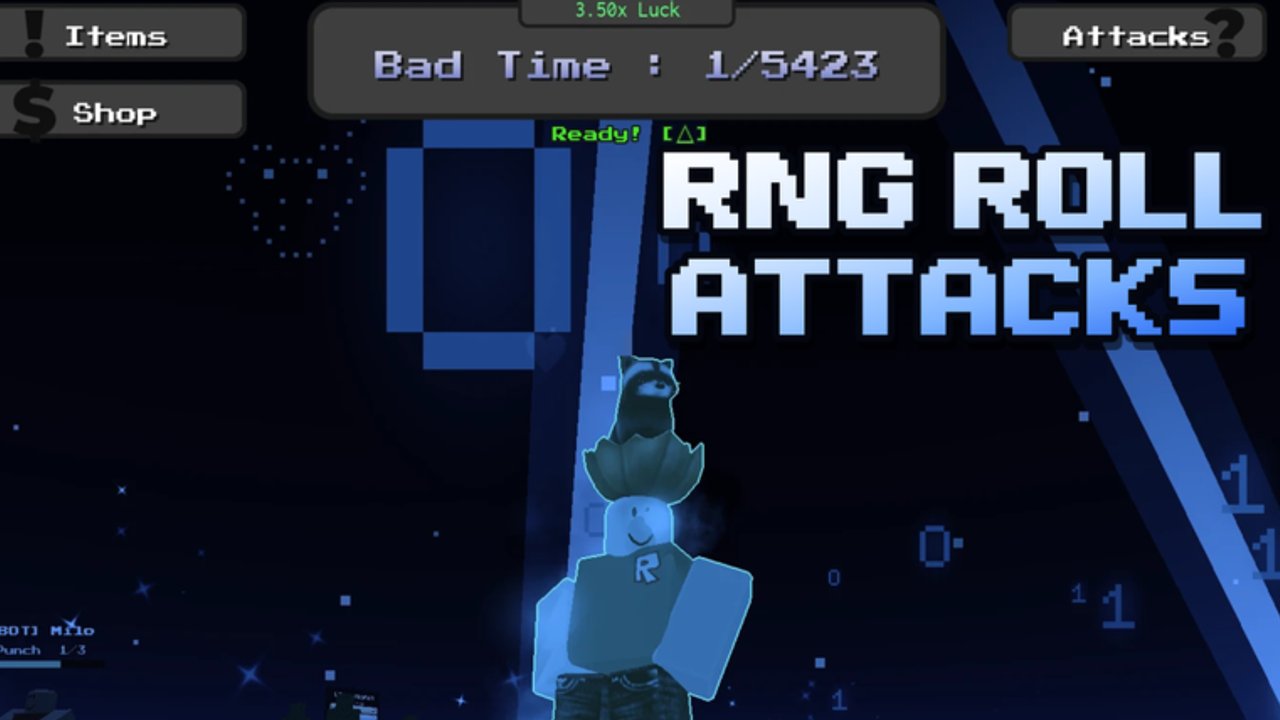
Welcome to the RNG RollAttacks tier list hub. This experience from Giggle Group Media (released September 29, 2026) is built around rolling more than forty unique attacks, boosting luck, unlocking traits, finishing quests, and flexing rare rolls in servers of up to twenty-three players. The flashing-image warning on the Roblox page is real — expect heavy VFX when big rolls land.
This hub does not pretend to publish official drop tables. Official marketing only confirms the pool size and the fantasy arc from everyday punches to time-stopping rares. Where we talk about S through D bands, treat them as community-observed archetype tiers: approximate guidance for how similar ability families tend to feel in live servers, not copied odds from other RNG fight games and not developer-confirmed percentages.
How to use these lists
Start here when you want a map of the meta, then open the deep pages for detail:
- Attack Tier Guide — S/A/B/C/D style ranking of punch, slap, shockwave, orbital, ultra-instinct, time-stop, and divinity-style archetypes.
- PvP Meta — what wins in crowded 23-player fights, when to re-roll, and how to answer control or burst.
- Traits Tier — which trait roles to chase first for luck farming, kill grinding, or flex sessions.
Cross-check roster names and effects in the Players Hub, especially the Attack Index, Traits, and Badges pages. New players should skim Getting Started and Combat Basics before chasing top bands. Redeem anything live on Codes, and watch Updates after patches so stale rankings do not waste your luck budget.
Ranking philosophy
We score archetypes on four practical axes:
- Pressure — how well the kit keeps enemies off balance without needing a perfect roll.
- Burst — whether a single window can delete a stacked fighter.
- Control — crowd tools, freezes, knockback, or area denial that matter on full servers.
- Event impact — server-wide spectacle rolls that rewrite the lobby mood (and sometimes the fight).
A common punch kit can sit in D for raw power yet still teach spacing. A time-stop or divinity-style event roll can sit in S for chaos even if it is rare and hard to practice. Mid bands cover reliable slap pressure, shockwave-style AoE, and orbital strike patterns that punish clusters. Ultra-instinct style kits usually land high because they reward movement literacy more than raw damage numbers.
Progression vs flex
Early hours should prioritize consistency: learn M1 timing, dodge habits, and when to spend luck boosts. Mid game, target traits and attacks that accelerate quests and kill badges. Late game, chase flex rolls and boss clears such as THE WITHER STORM for the Storm Breaker badge. Tier lists help you decide where to spend limited luck — they are not a substitute for reps in public servers.
Keep the list honest
Meta shifts after balance patches, new attacks, or trait reworks. Revisit this hub after every major note on Updates. If a community clip shows an archetype outperforming its band, promote it temporarily and demote it when counter-play appears. Never treat another game’s 1-in-X tables as RollAttacks truth.
Use the three child guides above as your working toolkit, then jump into the Players indexes when you need names, roles, and badge strategies tied to the same roster.
Frequently Asked Questions
Quick answers to the most common questions.
Are these official RollAttacks drop rates?
No. Bands are community-observed archetype guidance for the 40+ pool. Official copy confirms punch-to-time-stop fantasy and pool size, not exact percentages.
Which tier page should I open first?
New fighters start with Attack Tiers, then PvP Meta. Trait hunters jump to Traits Tier after unlocking the trait system.
Do patches invalidate the hub?
Often partially. Recheck Updates after balance changes, then re-rank pressure, burst, control, and event impact.
Where do badges fit into tiering?
Badges track kills, quests, Storm Breaker, Owner Killer, and Admin Killer. They measure goals, not attack power — see the Badges page under Players.